My Child Understands Dari/Pashto but Replies in English — What Should I Do?
A Familiar Situation for Many Afghan Parents If you are an Afghan parent living in Canada, the United States, Europe, or Australia, chances are you have…
A Familiar Situation for Many Afghan Parents
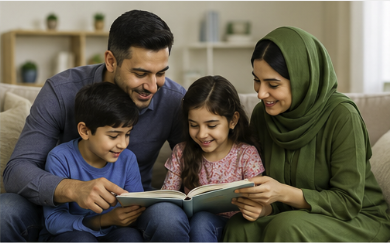
If you are an Afghan parent living in Canada, the United States, Europe, or Australia, chances are you have experienced this situation many times at home:
You speak to your child in Dari or Pashto.
They understand everything you say.
But when they answer, they reply in English.
You may say:
“بچه جان، امروز مکتب چطور بود؟”
And your child responds:
“It was good.”
Or perhaps you ask in Pashto:
“زویه، چیرته ځې؟”
And your child replies:
“I’m going outside.”
At first, this may not seem like a serious issue. In fact, many parents feel proud that their children are learning English quickly and succeeding in school. Some families even find it easier and more practical to continue conversations in English because life outside the home is already centered around it.
But over time, many Afghan parents begin to feel concerned.
They quietly ask themselves:
- Will my child slowly lose their mother tongue?
- Will they disconnect from Afghan culture and traditions?
- How will they communicate with grandparents and relatives?
- Will they still feel connected to their Afghan identity as they grow older?
- Am I doing something wrong as a parent?
These concerns are real and understandable. For Afghan families, language is much more than a communication tool. Dari and Pashto carry our stories, poetry, humor, prayers, traditions, respect, and emotional connection. They are the languages of family gatherings, cultural memories, and identity.
When children stop speaking the language of their parents, many families feel as though a part of their culture is slowly fading inside the home.
However, parents should know something very important:
You are not alone, and this situation is extremely common in bilingual households around the world.
Many immigrant children grow up understanding their heritage language while feeling more comfortable responding in the dominant language of the country they live in. This is a natural part of bilingual development and does not mean your child is rejecting their culture or refusing to learn the language.
In fact, the fact that your child already understands Dari or Pashto is actually a very positive sign. It means the foundation already exists. The goal now is to strengthen their confidence and comfort in speaking it.
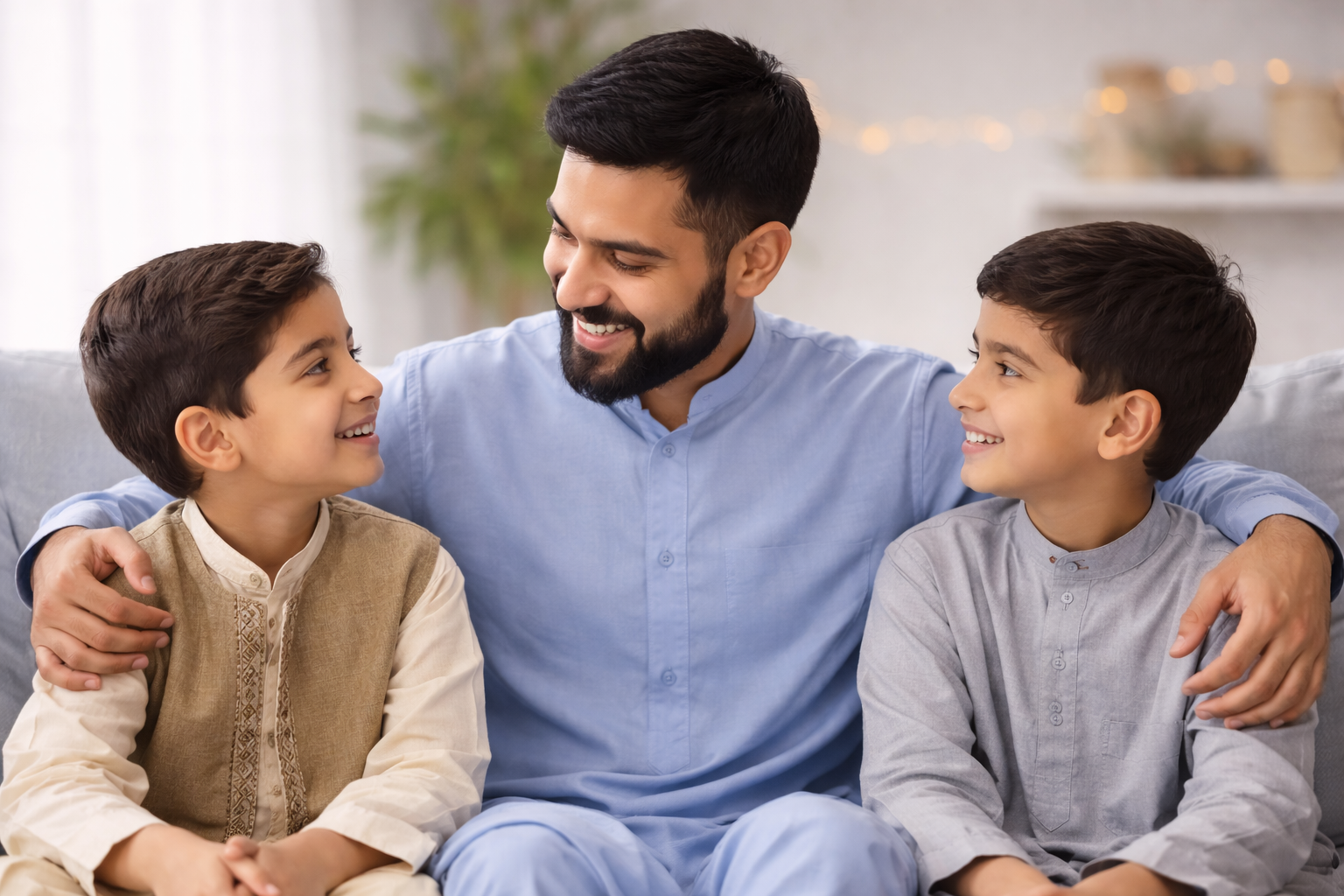
Why Does This Happen? Understanding the Root Cause
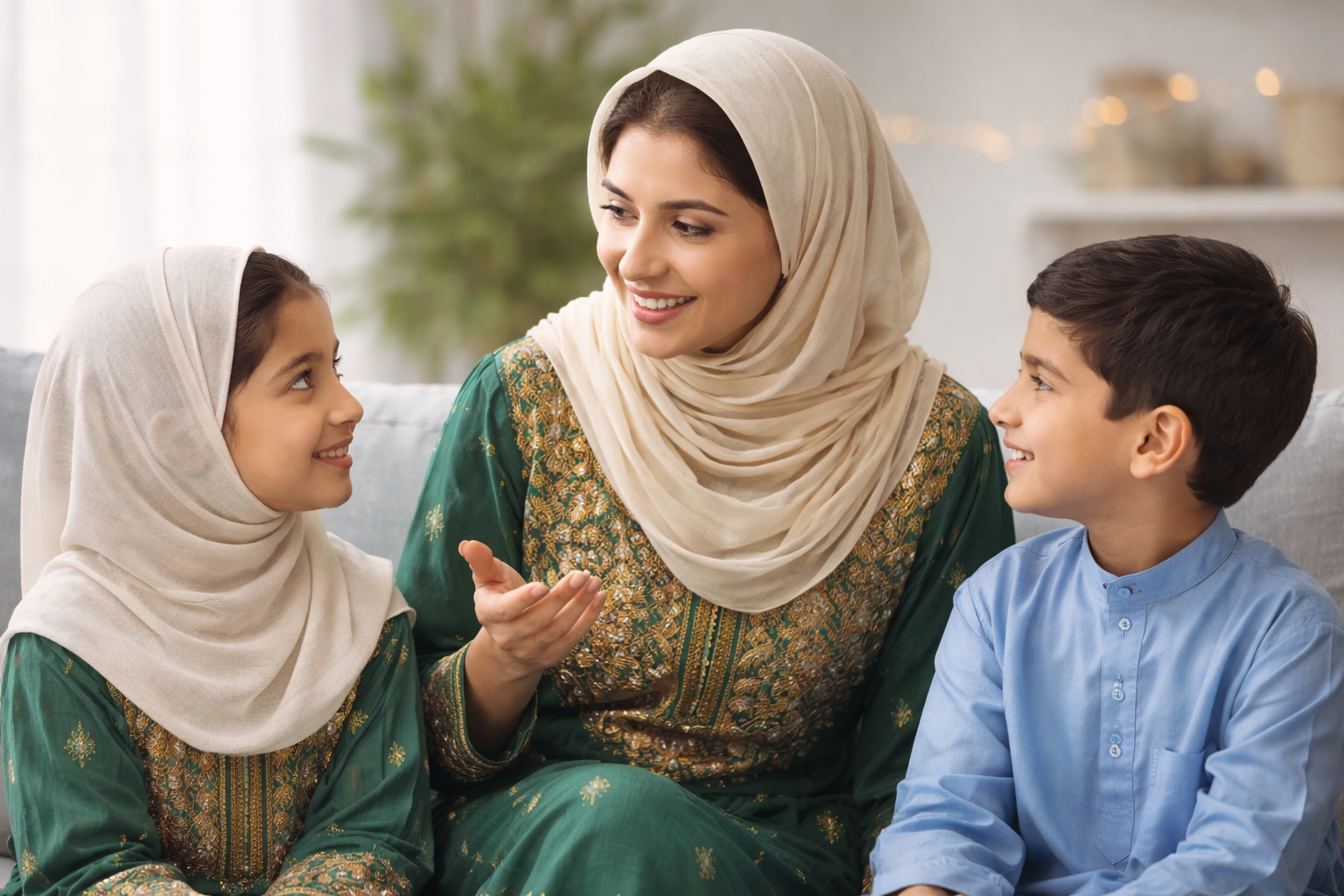
Many parents believe their child is intentionally avoiding Dari or Pashto, but in most cases, that is not true. Children naturally use the language that feels easiest and most powerful in their daily lives.
1. English Becomes Their “Power Language”
For children growing up in Western countries, English quickly becomes the dominant language because it surrounds them everywhere.
They use English:
- at school,
- with friends,
- during sports and activities,
- while watching cartoons and YouTube,
- and throughout most of their social interactions.
As a result, children become more comfortable expressing thoughts, emotions, and complex ideas in English. Even if they fully understand Dari or Pashto, they may not yet have enough practice speaking it confidently.
2. Passive Understanding vs Active Speaking
Language experts often describe this as the difference between:
- passive language skills and
- active language skills.
Your child may have strong passive understanding, meaning they understand what they hear in Dari or Pashto. However, active speaking requires:
- vocabulary,
- sentence-building,
- confidence,
- and practice.
Many Afghan children in diaspora homes understand almost everything their parents say but hesitate when it is time to respond in the same language.
3. There Is No Real “Need” to Speak
Children are smart communicators. If they know their parents understand English, they naturally choose the language that feels easier and faster.
For example:
- If a child says something in English and immediately gets what they want, there is little motivation to switch languages.
- Over time, English becomes the default response language.
This does not happen because children are disrespectful. It simply happens because communication is already working for them.
4. Fear of Making Mistakes
Some children avoid speaking Dari or Pashto because they feel shy or insecure.
They may think:
- “What if I say it wrong?”
- “What if my pronunciation sounds funny?”
- “What if my parents laugh or correct me too much?”
When children feel pressure or embarrassment, they often become quieter instead of more confident.
Why This Matters in the Long Term
Some parents assume:
“As long as my child understands the language, it’s enough.”
But without regular speaking practice, understanding alone may slowly weaken over time.
If this pattern continues for many years, children may eventually:
- lose confidence speaking,
- struggle to communicate with relatives,
- feel disconnected from Afghan culture,
- or stop using the language completely.
Language loss can also affect emotional connection within families. Grandparents may not speak English fluently, and children may miss opportunities to build deep relationships with extended family members.
Most importantly, language is deeply tied to identity.
When children maintain their mother tongue, they often feel:
- stronger cultural belonging,
- greater confidence in who they are,
- and deeper connection to family history and traditions.
What Parents Should NOT Do
When parents become worried, they sometimes react emotionally. While these reactions are understandable, certain approaches can actually push children further away from the language.
Avoid:
- Punishing children for speaking English
- Shaming them for mistakes
- Constantly correcting every sentence
- Comparing them to other children
- Switching fully to English out of frustration
These approaches can create stress and resistance. Children may begin associating Dari or Pashto with pressure instead of comfort and connection.
What Parents SHOULD Do Instead
The good news is that there are many positive and effective ways to encourage children to speak Dari or Pashto naturally.
1. Create a Need to Speak the Language
One of the most effective strategies is making Dari or Pashto the normal language of the home.
For example:
- Continue speaking the language consistently.
- Even if your child answers in English, respond in Dari or Pashto.
- Gently encourage them to repeat phrases.
Instead of forcing, try saying:
“Can you say that in Dari?”
“Try saying it in Pashto first.”
The goal is encouragement, not pressure.
2. Use the “Repeat and Expand” Method
This is a very effective technique for bilingual children.
If your child says:
“I want water.”
You can respond gently:
“آب میخواهی؟ بگو: من آب میخواهم.”
This method helps children hear correct structure without feeling criticized.
3. Make Language Fun, Not a School Subject
Children learn best when language feels enjoyable and natural.
Try using:
- storytelling,
- cartoons in Dari or Pashto,
- songs and rhymes,
- games,
- role-playing,
- and family conversations.
The more emotional connection children have with the language, the more likely they are to use it confidently.
4. Praise Effort, Not Perfection
Children need confidence before perfection.
Celebrate small progress:
- a single sentence,
- a new word,
- or even an attempt to speak.
Avoid over-correcting every mistake. Too much correction can make children nervous and silent.
5. Build Consistent Habits
Language growth happens through small daily exposure.
Simple routines can make a huge difference:
- short daily conversations,
- bedtime stories,
- language-only dinner time,
- weekly family storytelling nights.
Consistency matters more than perfection.
6. Surround Them with the Language
Children become more comfortable speaking when they hear the language often.
Helpful exposure includes:
- conversations with grandparents and relatives,
- Afghan community gatherings,
- cultural events,
- children’s programs,
- and educational media in Dari or Pashto.
7. Consider Structured Language Learning
Sometimes children benefit from guidance beyond the home.
Learning with:
- professional teachers,
- interactive lessons,
- and other children their age
can increase motivation and speaking confidence significantly.
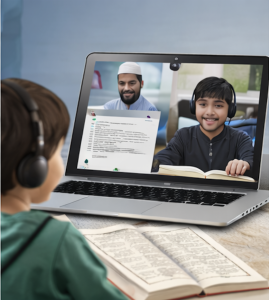
Structured learning also creates routine and gradual progress in reading, speaking, and listening skills.
Language Growth Takes Time
Parents should remember that language development is a journey, not an overnight change.
At first:
- children may resist,
- mix English with Dari or Pashto,
- or answer with only one or two words.
But with patience and consistency, many parents slowly begin noticing:
- more vocabulary,
- longer sentences,
- improved pronunciation,
- and greater confidence.
Small progress eventually becomes meaningful growth.
How Kawun School Can Help
At Kawun School, we understand the unique challenges Afghan diaspora families face when raising bilingual children.
Our goal is to help children:
- build confidence in speaking Dari and Pashto,
- stay connected to Afghan culture and identity,
- and develop strong communication skills in a supportive environment.
Our classes are:
- taught by qualified Afghan teachers from Afghanistan,
- designed specifically for diaspora children,
- interactive, engaging, and child-friendly,
- and focused on real-life communication.
We offer:
- Dari Classes
- Pashto Classes
- Quran Classes
- Mathematics Support
Through storytelling, conversation practice, games, and interactive activities, children learn to see their language as something enjoyable, meaningful, and valuable.
Final Thoughts
If your child understands Dari or Pashto but replies in English, do not panic.
This does not mean failure.
It does not mean your child is rejecting their culture.
And it certainly does not mean it is too late.
It is simply a stage that many bilingual children experience.
With patience, encouragement, consistency, and the right environment, children can absolutely strengthen their ability and confidence to speak their mother tongue.
Every conversation matters.
Every word matters.
And every effort you make today helps preserve a lifelong connection to language, culture, and identity.